Preloader Close




History
HISTORY
HISTORY OF MABUHAY
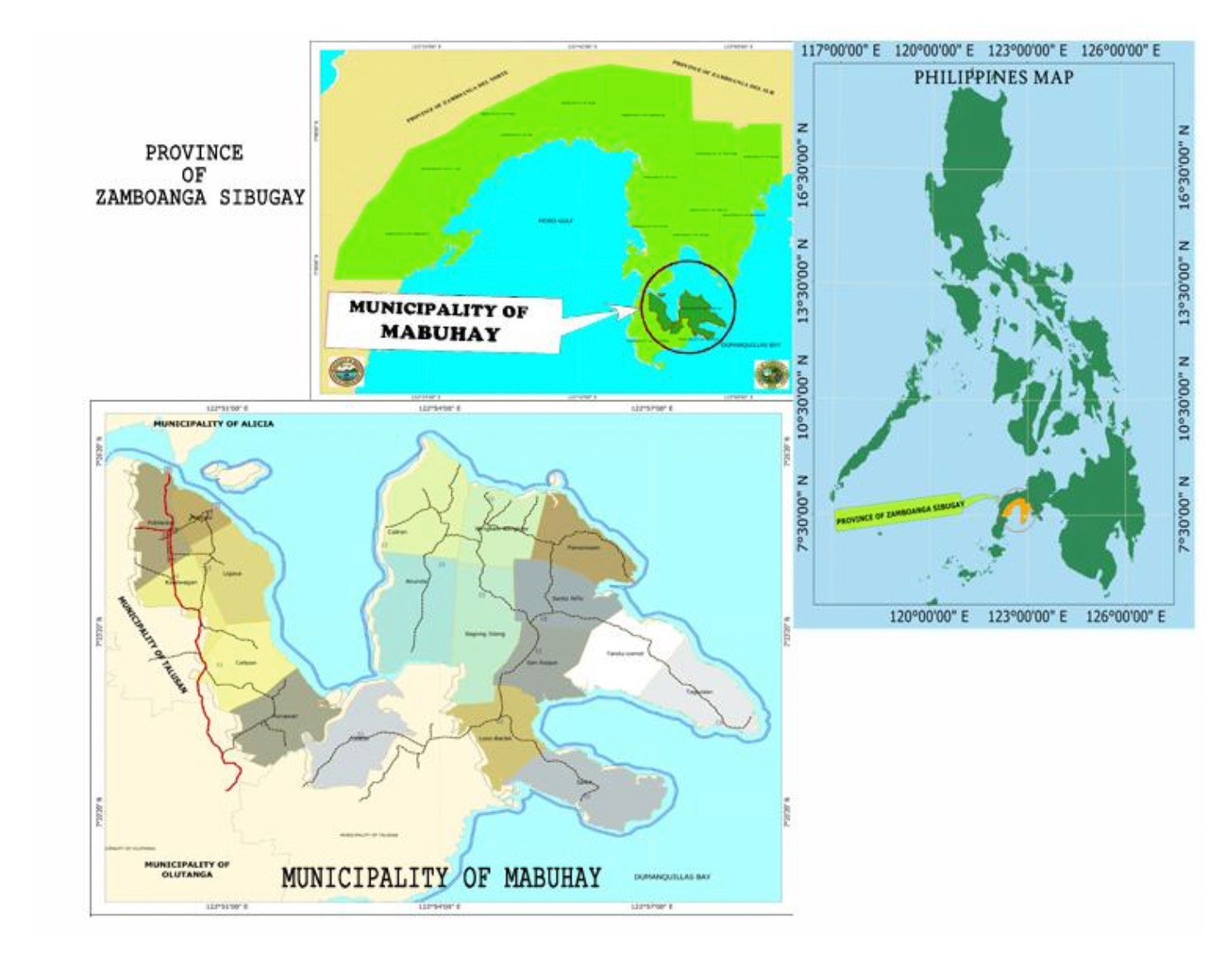
A number of accounts have been recorded as to the origin of Mabuhay. According to the stories of the elderly, the history of Mabuhay began at the height of Japanese invasion in the Philippines. Japanese soldiers under the command of General Yamashita—then called “The Tiger of Tanamera”—at the height of their withdrawal from Philippine shores in the later part of 1944, hopped from one place to another. Accidentally, some of these Japanese strugglers came to the Island of Olutanga and settled temporarily for cover in the area believed to be now called “Mabuhay.”
The inhabitants, having singled out these Japanese soldiers, befriended them for fear of reprisal. They were, however, surprised to learn that the Japanese soldiers were seeking refuge from the American and Filipino liberators who had already set foot on Philippine soil. The people, realizing that the Philippines had been liberated from Japanese bondage, shouted “Mabuhay, Mabuhay, Mabuhay!” To this day, the place has been called Mabuhay.
Centuries later, Mabuhay was originally a component of the mother municipality of Alicia. On October 16, 1957, the municipality of Olutanga was created through Executive Order 274. Almost eight years later, Executive Order 176 of the late President Diosdado Macapagal mandated the extraction of 22 barangays from Olutanga to be called Mabuhay; however, it was eventually dissolved after the 1967 election. On May 18, 1967, Mabuhay was officially created through Republic Act 4876, with January 25, 1968 considered the date of its actual operation as a government unit—the official foundation day of the municipality of Mabuhay.
Under the said Republic Act, Mabuhay was composed of 22 barrios namely: Aurora, Bangkaw, Boalan, Bolingan, Cabatuan, Caliran, Kalabasa, Kasigpitan, Katipunan, Kauswagan, Ligaya, Looc Barlac, Mahayahay, Moalboal, Pamansaan, Pinalim, Poblacion, Punawan, Sagasa, Sagay, Samonte, Sawa, Sioton, Taguisian, Tubian, and Tumalog.
On November 11, 1977, by virtue of Presidential Decree (PD) 1237, Talusan was created and at least eight (8) barrios from Mabuhay were placed under the municipality of Talusan. These barangays were Sagay, Mahayahay, Kasigpitan, Boalan, Moalboal, Bolingan, Aurora, and Samonte. To this day, 18 barangays remain under the municipality of Mabuhay.
On January 25, 1968, the then President of the Philippines appointed an interim set of local officials to serve the local government of Mabuhay. The late Honorable Alfredo Samonte, Sr. became the first town mayor. During his term, the seat of government was located in a rented house of the Aninos in Barangay Poblacion. It was only in January 1978, under the administration of the late Mayor Pedro Omamalin, that the Municipal Hall was constructed and the operations of the LGU transferred to its present location.